
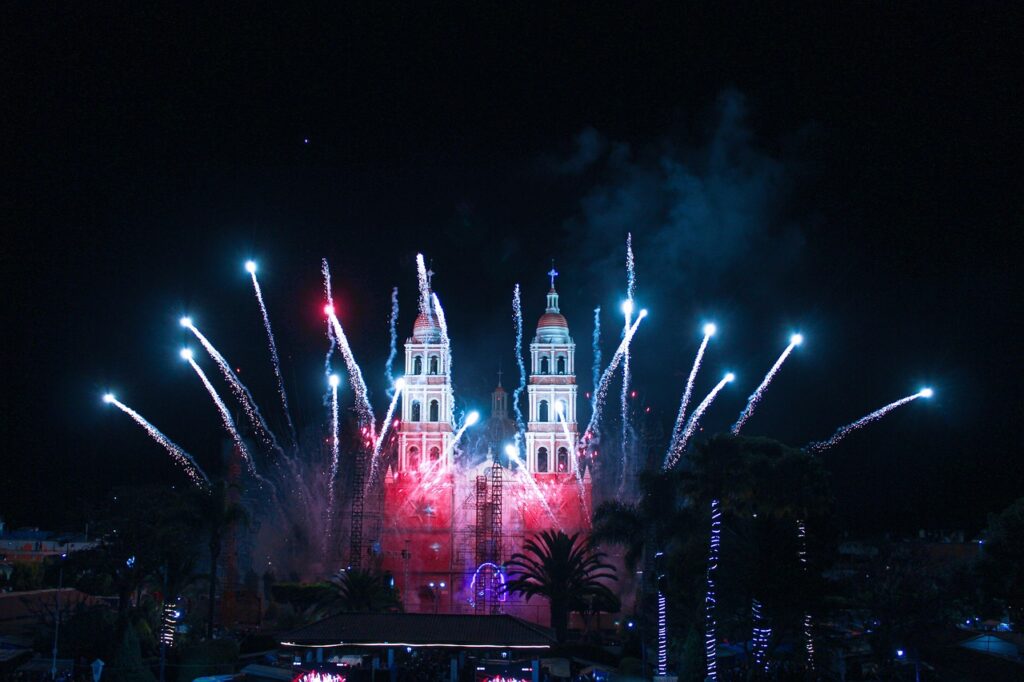
Festival Planning: Key Steps to Ensuring the Success of Every Edition
- 🎯 Defining the concept, the target audience, and the specifications sets the course and provides the framework for all festival planning.
- 💶 Budget management and fundraising (sponsors, grants, ticket sales) ensure the project’s viability from the start.
- 📝 Administrative procedures (permits, insurance, safety) ensure legal compliance and give the organizing team peace of mind.
Do you feel that thrill building as a festival idea comes to life? Organizing a major event is never just about choosing a logo or a set design—it’s a true collective endeavor that will set the pace for life in a region and bring a team together like never before. The experience of the first organizers proved it: nothing brings people together better than a project that gets everyone excited—volunteers, artists, and the audience alike.
But how do you turn a dream into reality without getting overwhelmed by logistics and stress? Forward planning, boldness, and a solid approach transform this marathon into a human adventure. What if the next festival bore your name? What if you opted for a drone show for the festival? So many questions to consider! You’ll need to think about every detail, including drone permits.
Defining the Project: The Art of Getting It Right from the Start
The first major step begins long before the event: we take a step back, observe, and listen to the target audience’s desires. A festival’s success depends on a program that’s rooted in its local community and generates buzz far beyond the neighborhood. Striking a balance between ambition and accessibility, between originality and realistic expectations, is the key to avoiding the “bursting bubble” effect after the first edition.
| Key Actions | Direct Benefits |
|---|---|
| Identify the audience | Custom programming, attendance |
| Define the concept | Clear positioning, curiosity |
| Choose a format | Consistency, Local Impact |
This starting point shapes everything that follows. Once you have the target audience in mind, drafting the project specifications becomes much simpler: it’s a matter of aligning attendance goals, artistic vision, media exposure, and budgetary balance. Creating a reverse schedule from day one—even in draft form—helps set clear milestones and allocate tasks without getting sidetracked.
Choosing the Location and Dates: Capturing the Magic of the Region
Do you also remember a festival that was simply unforgettable because of its setting? Whether the event takes place in an urban park, on a vacant lot, in a historic garden, or even in a disused market hall, the choice of venue determines the audience’s experience and the technical feasibility of the event. Pay attention to the details:
- Capacity and Access Logistics
- Availability on the calendar, avoiding conflicts with other local events
- Compatibility with the artistic format and weather conditions
It’s better to invest time in scouting locations, talking with local residents, and checking the site conditions (safety, restrooms, power supply, etc.). Planning ahead in this area helps avoid a string of surprises.

Budget Management: Leaving Nothing to Chance, from the First Euro to the Last
Worried about going over budget? That’s a classic mistake when you’re unprepared. The best festivals follow this tip: every expense is planned for, and every resource is secured. The projected budget is drawn up item by item:
- Artists’ fees and shipping costs
- Safety, Insurance, and Emergency Services
- Rental and Technical Services (stage, sound, lighting, barriers)
- Communication, Decor, and Unexpected Events
Including a buffer in each line item helps prevent unpleasant surprises. On the revenue side, we diversify our sources:
- Public grants (city hall, regional government, DRAC, etc.)
- Private sponsors, local partnerships
- Online ticketing with a reliable platform
| Source of funding | Strength | Limit |
|---|---|---|
| Private Sponsors | Increased visibility | Counterparty Requirements |
| Government Grants | Leverage | Time-consuming procedures |
| Ticket Office | Direct Revenue | Dependence on Attendance |
Did you know?
- One in three French festivals breaks attendance records… when it relies on a dedicated team of volunteers, according to France Festivals.
- Nearly 60% of event organizers cite budget management as the biggest challenge leading up to the big day. Building in a contingency budget helps you avoid major last-minute headaches!
During our last round, the grant almost fell through because we forgot to submit a form. Since then, it’s been impossible to finalize an application without a checklist shared among team members!
Administrative and Regulatory Procedures: Credibility at the Tip of the Pen
A true festival-goer doesn’t just decide to break the law! Register the event with city hall or the prefecture, submit the safety plan, and obtain SACEM’s approval for the music: these steps may seem tedious, but they provide peace of mind and protect the project.
- Complete application package (occupancy permit, safety requirements, etc.)
- Event Organizer Liability Insurance
- Copyright Management and SACEM Procedures
For safety reasons, the dedicated committee (fire department, police, city hall) must approve the entire plan. If there’s a flaw, the festival risks being canceled the day before it’s set to begin—and believe me, that leaves some bitter memories!
The Team and Logistics: Engaging and Motivating on a Daily Basis
A festival without a tight-knit team is unthinkable. Building a core group, supported by passionate volunteers, is the key to success. Everyone has their role, from technical tasks to catering, communications, and accreditation management. The secret?
- Value everyone’s ideas; pay attention to faint signals
- Focus on mutual support; establish regular briefings
- Train and empower volunteers, with supportive mentors
When it comes to logistics, the site layout and traffic flow management make all the difference:
- Accessibility for people with disabilities, clean restrooms, clearly marked water fountains
- Clear signage and easily identifiable staff
- Relationships with Professional Service Providers (Sound, Security, Catering)
| Key Function | Essential Role |
|---|---|
| General Coordinator | Overall Oversight |
| Programmer | Artistic Selection |
| Logistics | Technical Management |
| Communication | Marketing, Media |
| Ticket Office | Reception, Entry Management |
The use of digital tools (Trello, Slack, ticketing platform) streamlines coordination, prevents duplication of effort, and provides peace of mind when it comes to managing emergencies. Success also depends on this behind-the-scenes organization, which makes everything run smoothly on the big day.
Communication: Inspire, Engage, and Build Loyalty
You know the drill: no visibility, no audience! Developing a strong visual identity, investing in local media and social media, and focusing on original content—that’s the foundation. The best campaigns combine:
- Video teasers, interviews, behind-the-scenes footage
- Out-of-home advertising, partnerships with influencers
- Newsletter, online contests and promotions
From the very first post, the spirit of the festival should be palpable. During the event, social media engagement and the sharing of live content keep the momentum going. The community management team has free rein to amplify the viral effect and stay in touch with the audience, even from a distance.
D-Day and Beyond: Creating the Experience, Learning for the Future
Arrival on site, personal interaction, a personalized welcome—that’s where it all comes down to. A visible team, welcoming spaces, clear signage, and a reassuring security presence: festivalgoers’ experience often hinges on these details. Providing an FAQ section on the website or app and setting up a crisis management team to handle any unforeseen events is the best way to avoid last-minute stress.
- After the festival, we don’t just pack everything away—we build on it! The numbers speak for themselves:
- Number of tickets, attendance statistics
- Media coverage, online engagement
- Audience satisfaction rates, volunteer feedback
Sending a summary report to all partners builds credibility and lays the groundwork for the next edition. Why not publicly share your successes and challenges to inspire other project leaders?
Ultimately, the success of a festival lies in the balance between preparation, adaptability, and collective energy. Memories are forged long before the first concert: it’s the human adventure, dealing with the unexpected, and the desire to create together that inspire the teams. And you—what would be your first instinct when writing the script for a unique festival?
Drone Permits: How Allumee Manages Compliance for Your Light Shows
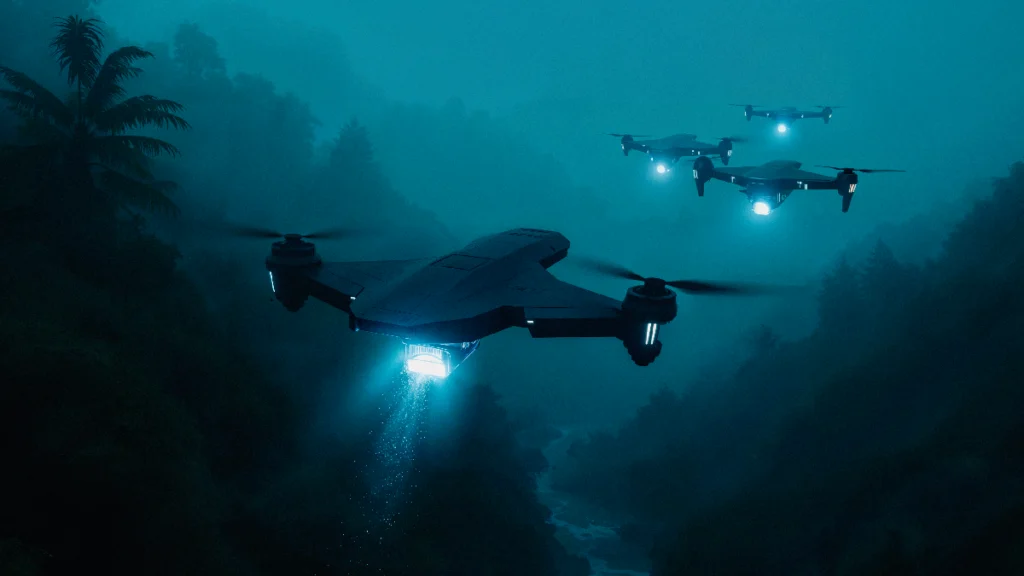
Have you ever wondered what goes into putting on a drone light show? At Allumee, we leave nothing to chance. Every project begins with a barrage of questions: What permits are needed? What’s the venue? Who’s the audience? What’s the flight plan?
Drone regulations are not an obstacle but a guiding principle. For each event, Allumee draws on its expertise to secure the necessary authorizations in advance: registration on AlphaTango, activity declaration, remote pilot certificate, insurance, prefectural declaration, and more. Compliance is the foundation of quality service.
When city hall or the prefecture requires safeguards, Allumee is there to deliver. The team refines the plan, adapts the equipment, and checks every detail to ensure the highest level of safety and visual impact. “Following the rules puts every customer at ease and ensures an unforgettable experience.” Wondering just how far the planning can go? Allumee proves that behind every illuminated sky lies meticulous organization—without ever sacrificing the magic.
Our FAQ on How to Organize a Festival
What kind of budget should you set aside to organize a festival?
Are you thinking about organizing a festival, but does the word “budget” already have you breaking out in a cold sweat? Rest assured—planning a festival is really all about striking a balance between ambition, safety, and the audience experience. To organize a festival, you should expect to spend between €20,000 for a small local event and over €500,000 for a large-scale event featuring international artists, logistics, security, communications, venue rental, and artist fees. Consider the essential components: stage, sound and lighting, security, restrooms, insurance, communications, lodging, catering, and… the unexpected. Sponsors, partners, and cultural grants can help offset the costs. Don’t forget: every expense affects the event’s success. So, what portion of the budget should you allocate to audience hospitality, decor, and staff? Ready to build a solid and creative project? What sacrifices would you be willing to make to deliver THE unforgettable night of the year?
What are the steps involved in organizing an event?
Wondering where to start when bringing your event or festival to life? The first step is to clearly define your goals and target audience in writing. Next, list the major steps: choosing a venue, handling administrative tasks (permits, insurance), putting together the program, securing funding, managing vendors (sound, lighting, security, catering), developing a communication plan (posters, social media, press), ticket sales, managing volunteers… and keeping track of the budget, of course. At each stage, anticipate potential problems and always have a backup plan. A tip: Set up multiple checkpoints and test each service before the big day. Why not create a personalized checklist so you don’t forget anything? Event planning is a team effort—so, are you ready to turn your idea into reality?
How can I fund a festival?
Ah, the question that turns heads and slows down so many great projects: funding. For a festival, there are several options: public grants (city halls, regional governments, DRAC, the EU…), partnerships with brands, local sponsorships, ticket sales, crowdfunding, a refreshment stand, food service, merchandise, partner booths… Diversifying revenue streams is key. Be creative to win over your funders: a well-put-together proposal, a clear project plan, and strong brand exposure are always appealing. Some festivals are innovating with presales or campaigns on Ulule. Did you know? An original partnership can sometimes offer much more than just a check: visibility, logistical support, equipment loans… What ideas could you highlight to get your future partners on board?
Is a festival profitable?
Profitability—the lifeblood of any venture! But keep in mind that every festival has its own unique balance between expenses, revenue, and ambitions. A small community-run festival may aim for a break-even point or a small profit, while a larger event hopes to turn a profit (sometimes as early as the first edition, often after a few years). The keys: keeping a tight rein on every expense category, negotiating with vendors, anticipating risks (weather, cancellations, low attendance), and innovating with ancillary revenue streams (vendor booths, bars, merchandise). And above all, know your audience inside and out: a memorable experience draws crowds and builds loyalty. Can a festival be profitable? Yes, but only with meticulous management, a dedicated team, and a touch of daring. So, are you ready to take the plunge?
How much money should you budget for a festival?
It’s hard to give a single figure! For a local festival (music, food, arts), plan on a starting budget of €20,000 to €50,000, while a regional festival with headliners and professional technical production can reach €200,000 or even more. The main costs? Venue rental, technical equipment (sound, lighting), security, copyright fees, artist fees, marketing, logistics, insurance, audience services… not to mention the cash reserves needed to handle unforeseen expenses. Be sure to break down your budget: each line item must be planned for, adjusted based on feedback, and optimized as much as possible. Which budget line item seems most important to you? What would you be willing to cut back on to preserve what matters most: the atmosphere, quality, or safety?
How much does a booth space cost at a festival?
Want to set up a booth at a festival? Prices vary depending on the event’s popularity, duration, and size. For a small local festival, expect to pay between €100 and €500 for the weekend. For a major festival, the cost of a booth space can rise to €1,000, €2,000, or even €10,000 or more for international brands. This price generally includes the rental of the booth space, and sometimes access to electricity, security, or marketing. Be aware of additional costs: setup, logistics, taxes… The booth must make its presence worthwhile: products, decor, activities… everything counts! Are you ready to invest to maximize your visibility and attract a targeted audience? What would be your ideal booth to draw a crowd and leave a lasting impression?